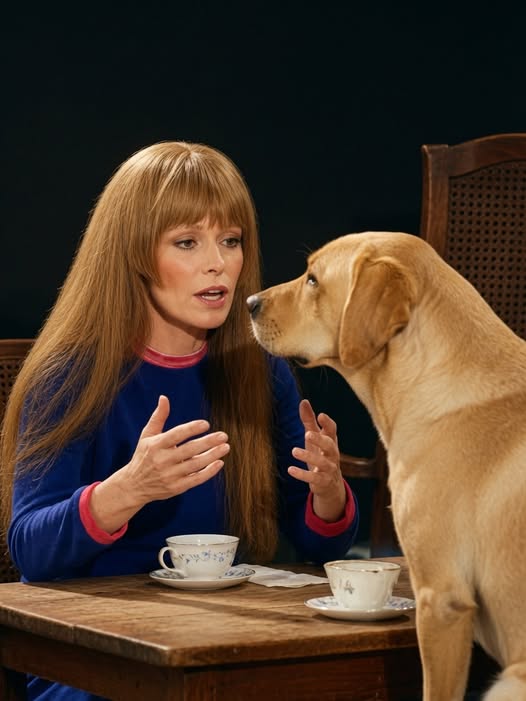
Before she became the unforgettable face of “Mary Hartman, Mary Hartman,” Louise Lasser spent years building a career across Broadway, advertising, film, and television.
Her journey eventually made her one of the most distinctive performers of 1970s television, known for portraying a character whose everyday struggles reflected the anxieties and challenges of American life.
Louise Lasser, the actress best known for starring in the groundbreaking television satire “Mary Hartman, Mary Hartman,” died on July 6, 2026, at her home in Manhattan. She was 87.
Throughout her career, Lasser became known for bringing vulnerability, humor, and emotional depth to roles that often explored ordinary people facing extraordinary pressures.
Early Life and Finding Her Path in Acting
Lasser was born in Manhattan and attended the Ethical Culture Fieldston School before studying political science at Brandeis University.
She eventually left college to pursue acting in Greenwich Village, beginning a career that would take her from theater stages and television commercials to major film and television productions.
Her early life included difficult personal experiences, including her parents’ divorce and the death of her mother by suicide in 1964.
Those experiences shaped her perspective and contributed to the emotional honesty she brought to many of her performances.
Broadway Beginnings and Rise in Advertising
Lasser’s acting career gained early attention when she became an understudy for Barbra Streisand in the 1962 Broadway musical “I Can Get It for You Wholesale.”
She also became successful in advertising, appearing in numerous commercials during the 1960s.
Her achievements in advertising made history when she became the first actress to win a Clio Award, one of the industry’s most prestigious honors.
Collaborating With Woody Allen
Lasser met filmmaker Woody Allen while working on Broadway in 1962.
The two married in 1966 and divorced in 1970, but they continued collaborating professionally after their marriage ended.
She appeared in several of Allen’s films, including “Take the Money and Run,” “Bananas,” and “Everything You Always Wanted to Know About Sex (But Were Afraid to Ask).”
She also appeared in television programs including “The Bob Newhart Show” and “The Mary Tyler Moore Show.”
‘Mary Hartman, Mary Hartman’ Made Her a Television Icon
Lasser’s defining television role arrived in 1976 when she starred as Mary Hartman in the satirical series “Mary Hartman, Mary Hartman.”
Created by Norman Lear, the series used the style of a traditional soap opera to examine American culture, family relationships, consumer habits, and everyday fears.
The show was unusual for its time because it combined comedy with serious social commentary, following a character whose personal struggles reflected wider concerns in society.
Although the series ran for only two years, it produced 325 episodes and became one of the most memorable television programs of the 1970s.
Lasser received an Emmy nomination for her performance and appeared on major magazine covers during the height of the show’s popularity.
Later Career and Lasting Influence
After “Mary Hartman, Mary Hartman,” Lasser continued working in television and film.
Her later television appearances included roles on “St. Elsewhere,” “Taxi,” and “Laverne & Shirley.”
In 1998, she received a National Board of Review Award for Best Acting by an Ensemble for her role in the film “Happiness.”
Her career continued to be remembered for its honesty, originality, and willingness to explore complicated human emotions.
What Is Not Stated in the Source
The source does not provide details about funeral arrangements or memorial services.
It also does not state the full list of surviving family members or whether any official tributes were released following her death.
Why Louise Lasser’s Story Matters
Louise Lasser’s career reflected a changing era in American entertainment.
Through “Mary Hartman, Mary Hartman,” she helped bring unconventional storytelling and social satire into mainstream television at a time when audiences were beginning to see more complex characters and themes on screen.
Her portrayal of Mary Hartman remains influential because it combined humor, vulnerability, and social observation in a way that was rare for television at the time.
Beyond one famous role, Lasser’s career represents the journey of an actress who continued challenging expectations and creating memorable performances across different forms of entertainment.
Conclusion
Louise Lasser leaves behind a legacy as one of television’s most distinctive performers.
From her early Broadway beginnings to her groundbreaking role in “Mary Hartman, Mary Hartman,” she helped shape a new style of television storytelling and left a lasting mark on American entertainment history.