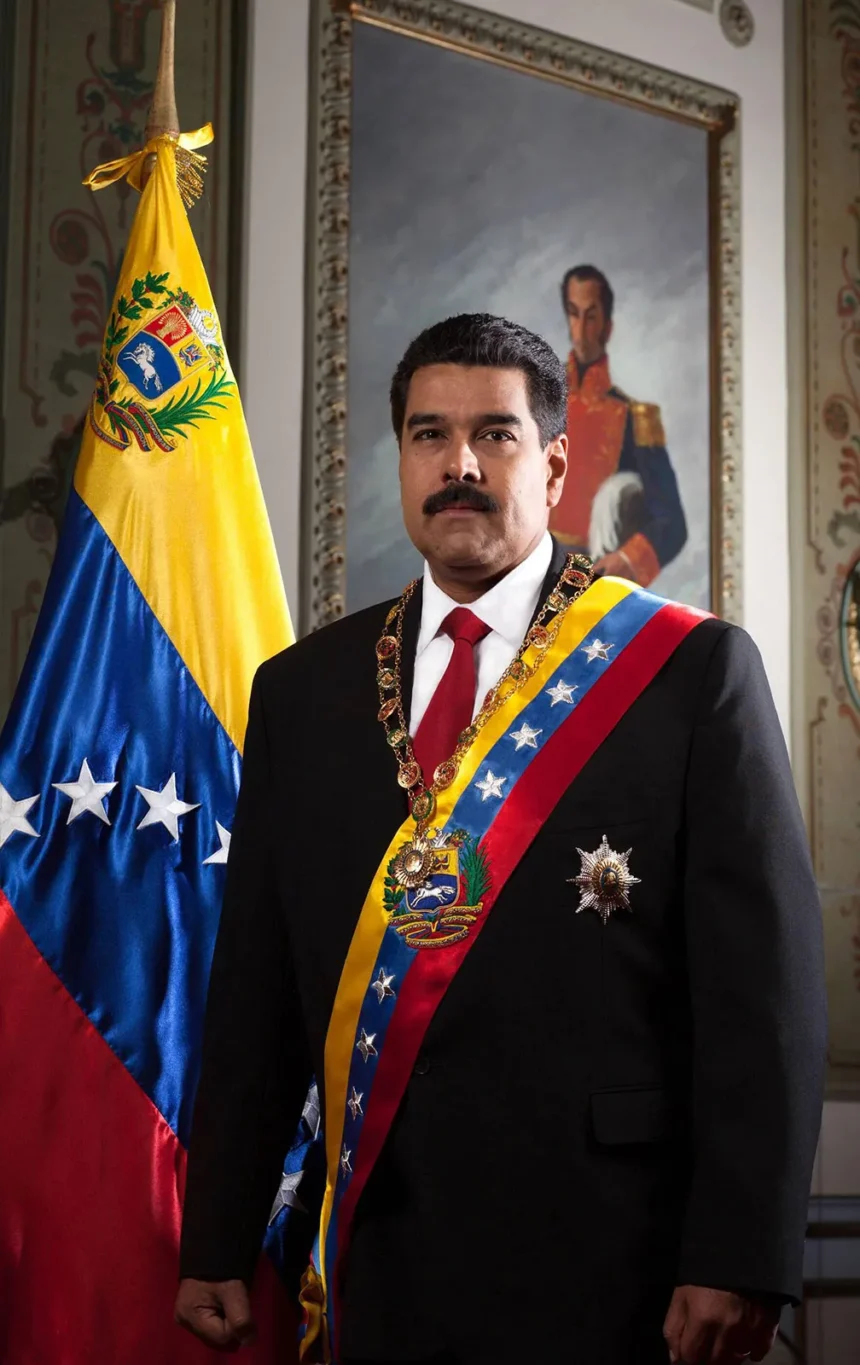
Late on January 3, speaking from Mar-a-Lago, Donald Trump made an extraordinary claim: that U.S. forces had captured Venezuelan President Nicolás Maduro and First Lady Cilia Flores overnight and removed them from Venezuela.
The statement, delivered without visual evidence, immediately drew global attention — and swift denials from Caracas. If true, the claim would represent one of the most dramatic U.S. military actions in the Western Hemisphere in generations. As of now, it remains unverified and hotly contested.
What Trump Said — and How He Framed It
Trump told viewers the United States would temporarily “run” Venezuela, oversee its oil production, and remain in the country until what he called a “safe and proper transition” takes place.
He alleged the operation involved U.S. troops, claimed it was conducted without American casualties or equipment losses, and accused Maduro of drug trafficking, forcing mass migration, and diverting oil revenues.
Trump also said prior notification to Congress could have jeopardized the mission — a point echoed by Marco Rubio, who said lawmakers were not briefed in advance due to operational security concerns.
Claims of Strikes and Seizures
In the same address, Trump said the U.S. ordered “large-scale strikes” in Venezuela in coordination with U.S. law enforcement.
Citing reports attributed to CBS News and the BBC, some outlets said airstrikes hit military and infrastructure sites, including bases and ports. The BBC also reported more than 110 deaths since the strikes allegedly began, and said U.S. forces seized Venezuelan oil tankers previously under sanctions.
Those reports, like Trump’s remarks, are being treated with caution as details remain fluid and independently unconfirmed.
Venezuela’s Response: Flat Denial and Mobilization
The Venezuelan government rejected Trump’s assertions outright.
Maduro denied the accusations against him and condemned what he described as an attempt to seize Venezuela’s oil and mineral resources. He ordered national defense and mobilization plans, framing the situation as a violation of sovereignty.
Caracas has not acknowledged any leadership capture.
Congress, the Military, and the Silence Between
Trump’s comments placed Congress in an unusual position. Lawmakers were asked to absorb the news after the fact — if the claims are accurate — raising questions about oversight, authorization, and international law.
The Pentagon did not immediately provide confirmation, and the White House declined to comment on Trump’s statements. Pete Hegseth, mentioned in coverage surrounding national security discussions, has not publicly addressed the claims.
Broader Signals — and Wider Fears
Trump and Rubio suggested that Cuba could be a future focus of U.S. action. Trump also said the U.S. would sell Venezuelan oil internationally during an interim period.
Those remarks amplified concerns among diplomats and analysts, who warn that even unverified claims of regime capture can escalate tensions, unsettle markets, and raise the risk of miscalculation.
Why This Moment Matters
At stake is more than the truth of a single speech.
Claims of leadership capture and a temporary takeover of another country strike at the core of international norms. If untrue, they underscore how rhetoric alone can destabilize regions. If true, they would mark a seismic shift in U.S. foreign policy — one demanding immediate clarification and accountability.
For now, the world is left in a narrow space between assertion and denial, watching closely for facts to catch up to words.
A Pause Before Answers
In moments like this, certainty matters — and so does restraint.
Until independent confirmation emerges, Trump’s statements stand as claims, not conclusions. The coming hours and days will determine whether this was a historic intervention, a grave misunderstanding, or something else entirely.