In the winter of 1986, a group of 20 hikers, mostly teenagers, set out to conquer the mighty Mount Hood in Oregon as part of an outdoor program called Basecamp. What should have been an exciting adventure quickly turned into one of the deadliest mountaineering accidents in North American history, leaving nine dead, including seven students, and forever altering the lives of the survivors.
A Journey That Took a Deadly Turn
The group began their trek with high spirits, but they soon encountered unforgiving weather conditions: rogue waves, heavy snow, and freezing temperatures. These extreme conditions led to them becoming stranded on the mountain, their plans thwarted by the severe weather.
As the situation grew dire, six of the hikers, feeling the first signs of danger, decided to turn back. But the others pressed on, continuing up the mountain despite the worsening weather. Their determination would come at a steep price.
A Snow Cave and a Tragic Loss
With no choice but to take shelter, the hikers dug a snow cave to protect themselves from the brutal cold. However, hypothermia set in quickly, and two students, Richard Haeder and Erin O’Leary, tragically lost their lives. The remaining hikers faced serious injuries and exhaustion, but they continued to fight for survival.
A Lengthy Rescue Mission
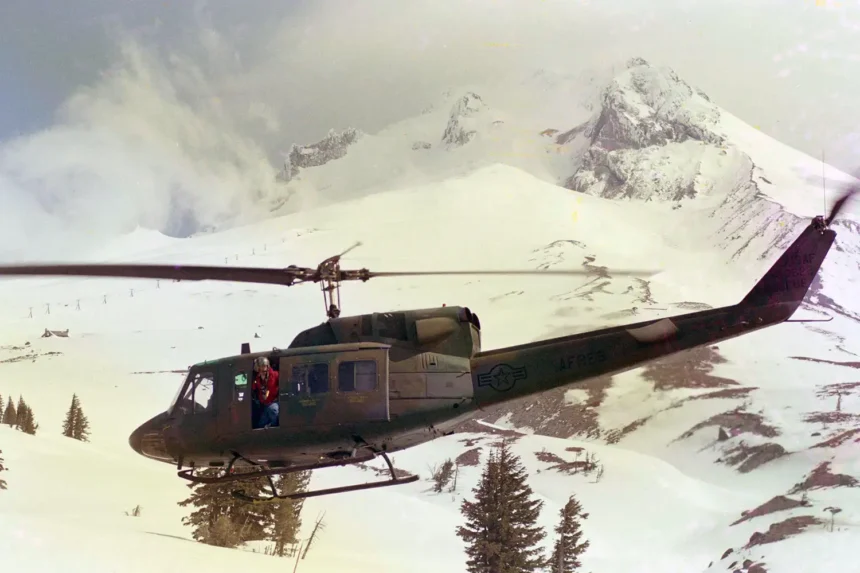
A search and rescue mission was launched, involving Sno-Cats, helicopters, and other emergency teams. The effort stretched over several days, and miraculously, two students—Brinton Clark and Giles Thompson—were found and rescued. However, the toll of the journey was severe.
Nine people, including seven students, lost their lives that day, making it one of the deadliest accidents in North American mountaineering history. The tragedy raised important questions about the safety of outdoor expeditions, particularly for young participants.
The Lasting Impact
For the survivors, especially Clark and Thompson, the emotional and physical scars from the incident were long-lasting. They had to rebuild their lives, not only coping with their injuries but also with the haunting memories of their lost friends. The tragedy remains a cautionary tale, urging mountaineering and outdoor adventure programs to re-evaluate their safety measures, communication protocols, and training for both students and guides.
Why It Matters
This devastating accident highlights the critical need for preparation, especially in extreme environments like Mount Hood. Proper training, communication, and an understanding of the weather conditions are paramount when venturing into such dangerous terrain.
The incident also serves as a reminder of the risks involved in outdoor adventure activities, urging a balance between adventure and safety to protect those involved. While the hikers’ ambition and determination were admirable, it is the lesson of survival and the importance of thoughtful decision-making that continues to resonate in the outdoor community today.