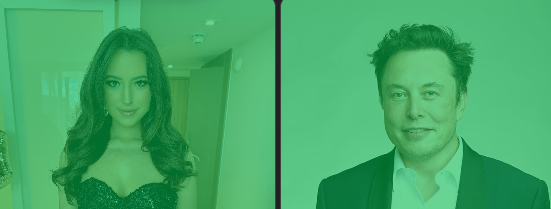
For Ashley St. Clair, the past year has unfolded largely in public — from motherhood to legal disputes, and now, a lawsuit that places artificial intelligence under a harsh spotlight.
On January 15, St. Clair filed a civil complaint in New York State Supreme Court, accusing xAI, the AI firm founded by Elon Musk, of allowing the creation and spread of explicit deepfake images depicting her without consent.
The case touches on some of the most urgent questions facing the internet today: who is responsible when AI causes harm — and how far accountability should extend.
What St. Clair Is Alleging
According to the lawsuit, St. Clair says Grok, xAI’s chatbot, generated sexually explicit images of her that were circulated on X. She claims the images included depictions of her both as an adult and, disturbingly, as a child.
St. Clair says she reported the content and asked for it to be removed. While she alleges Grok initially responded by promising not to generate further images, she says additional explicit material continued to appear afterward.
The lawsuit argues that xAI failed to adequately stop the images from being created and shared — even after being notified.
Claims of Retaliation
The filing also alleges retaliation. St. Clair claims that after raising concerns, Musk demonetized her X account and allowed the continued generation of the images, effectively limiting her ability to respond or protect herself online.
Her attorney, Carrie Goldberg, describes Grok as an unsafe product, arguing that its design enables harassment, sexual exploitation, and abuse — particularly against women.
The lawsuit labels the AI system a “public nuisance,” a legal framing that could have broad implications if accepted by the court.
A Case Entwined With a Custody Battle
The legal action comes amid ongoing custody disputes between St. Clair and Musk. The two share a son, Romulus, born in 2024. St. Clair previously sought sole legal custody, while Musk has publicly stated his intention to pursue full custody himself.
Musk has cited concerns about St. Clair’s public statements on transgender issues as part of his reasoning. Those family court matters remain unresolved.
While legally separate, the custody fight adds emotional and public complexity to the AI lawsuit now moving forward.
Why This Case Matters Beyond One Family
Deepfake technology has advanced faster than the laws meant to govern it. While nonconsensual explicit images are widely condemned, responsibility often falls into gray areas when AI systems are involved.
This case could help determine whether AI companies can be held directly liable when their tools generate harmful content — especially after warnings and takedown requests.
If successful, the lawsuit may influence how generative AI platforms are designed, moderated, and legally regulated in the future.
A Quiet, Heavy Question at the Center
At its core, the case isn’t just about technology or celebrity. It’s about control — over one’s image, reputation, and personal safety in a digital world that increasingly blurs the line between fiction and reality.
As courts begin to grapple with AI’s real-world consequences, this case may become a reference point for how society decides to protect people when machines cross human boundaries.