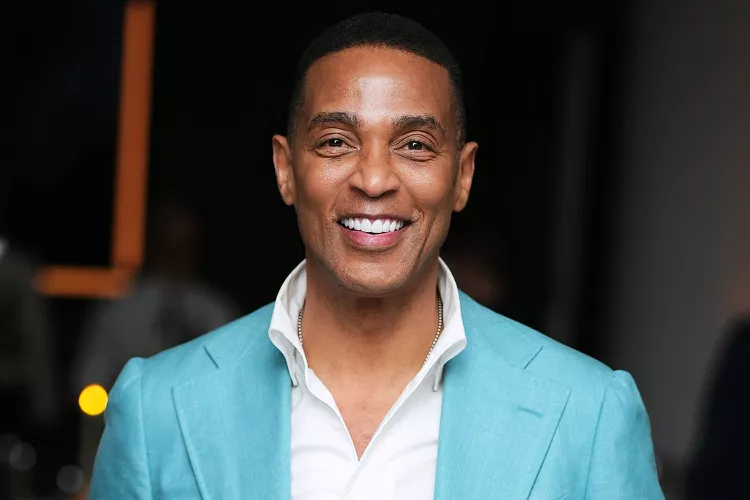
Don Lemon, an independent journalist, was arrested on January 29, 2026, at a Beverly Hills hotel, in connection with his alleged role in a church protest earlier that month in St. Paul, Minnesota. The arrest, which involved over 25 agents from the FBI and Homeland Security Investigations (HSI), has ignited a broader conversation about press freedom, protest rights, and the role of government intervention in political dissent.
A Protest That Sparked a Legal Battle
The protest at the heart of Lemon’s arrest occurred on January 18, 2026, when demonstrators interrupted a religious service in St. Paul to protest immigration enforcement policies. According to Lemon, his involvement in the protest was purely journalistic, claiming he was documenting the event and speaking with the pastor and church members about the demonstration.
Lemon now faces charges under 18 USC 241 (Conspiracy to Deprive Rights) and 18 USC 248 (Violation of the FACE Act), which prohibits interference with individuals’ rights to engage in services at houses of worship. The charges allege that Lemon’s actions were part of a coordinated effort to disrupt a religious service.
Lemon’s Defense and Press Freedom Concerns
Lemon’s attorney, Abbe Lowell, immediately defended the journalist, emphasizing that Lemon’s actions were consistent with his role as a journalist. Lowell highlighted the First Amendment, which protects the freedom of the press, arguing that Lemon’s coverage of the protest should be seen as part of his constitutional right to document and report on public events.
Despite the legal challenges, Lemon’s defense team maintains that this arrest is an attempt to suppress journalistic activity under the guise of protecting religious freedom.
The Broader Political Context
This arrest occurs amid heightened political and social tensions in Minnesota, where the recent shooting deaths of Renee Nicole Good and Alex Pretti at the hands of federal immigration agents have sparked widespread outrage. The deaths have amplified unrest surrounding immigration enforcement and have made protests like the one in St. Paul more contentious.
The situation has become a flashpoint for debates over immigration policy, freedom of speech, and the treatment of activists. Pam Bondi, former Attorney General under President Trump, issued a statement confirming the arrests and stressed that the government is committed to safeguarding religious freedoms, adding that any violations would be pursued to the fullest extent of the law.
Legal and Public Reactions
The arrest of Lemon, a well-known journalist, has sparked significant public debate. Many are questioning whether the actions taken against him are an overreach, especially in light of his status as a journalist. The case is raising important legal questions about the balance between First Amendment rights—specifically press freedom—and the enforcement of laws meant to protect religious services from disruption.
The use of federal authorities to address a protest at a house of worship has also drawn criticism, with some seeing it as an overuse of government resources in policing political dissent and journalistic activities.
What Happens Next?
Lemon is scheduled to appear before a judge in Los Angeles on January 30, 2026, for his first court appearance following the arrest. The legal outcome of this case is expected to be a significant one, with implications for both press freedom and the right to protest in the United States.
The case is already being watched closely by civil rights groups, journalists, and political analysts, all of whom are eager to see how the legal system will balance the rights of activists and journalists with the need to protect public order and religious institutions.
Why It Matters
This case is a pivotal moment in the ongoing debate about the limits of government power, press freedom, and the rights of individuals to engage in political protests. It highlights the delicate balance between protecting public spaces, including places of worship, and ensuring that those engaged in peaceful dissent—whether they are journalists or activists—are not silenced or unfairly prosecuted.
As the legal process unfolds, it will continue to raise important questions about the role of government in regulating speech and press activities, particularly in politically charged environments.