When Charlotte Wells packed up her life in New York City, she wasn’t chasing romance or reinvention.
She was exhausted.
At 30, worn down by work and emotional burnout, Wells made a last-minute decision to leave the city she knew. A family friend offered her a temporary apartment in Paris. She said yes without overthinking it — the kind of choice that comes when staying feels harder than going.
What she didn’t expect was that her new life would begin with a staircase.
The Stairs That Changed the Story
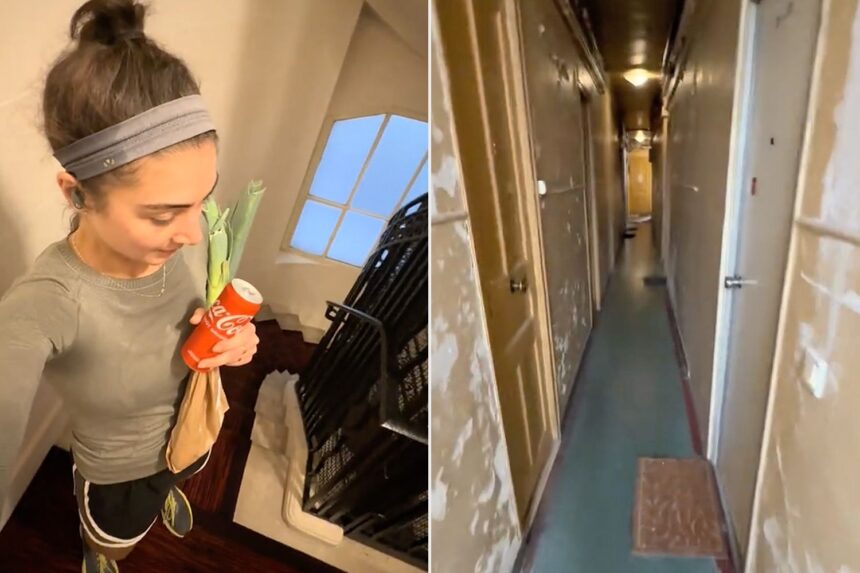
When Wells arrived in Paris, she realized her apartment came with a catch: a long, narrow staircase she’d need to climb every single day.
No elevator. No shortcuts.
Instead of quietly accepting the inconvenience, she filmed herself climbing the stairs and posted a sarcastic, self-aware video on TikTok. The tone was dry, the humor pointed — less complaint, more disbelief.
The video took off almost immediately.
Going Viral for Something Ordinary
Viewers had questions. Why no elevator? Was she okay? Was this safe? Should she move?
Some comments were concerned, others judgmental. Many offered unsolicited advice. Wells later said the most thoughtful responses came from people who watched the entire video — and understood it wasn’t a cry for help, but a coping mechanism.
The staircase wasn’t the problem. It was the symbol.
Humor as a Way Through Burnout
Wells explained in follow-up videos that she shared the moment to laugh at the absurdity of starting over.
After burnout, even small obstacles can feel enormous. By joking about the stairs, she reframed them as something survivable — even manageable. The humor gave the experience shape, and unexpectedly, community.What felt isolating became shared.
Life in Paris, Without the Fantasy Filter
Unlike many relocation stories online, Wells didn’t romanticize Paris.
She focused on routine instead: grocery runs, familiar cafés, nods from local shopkeepers who slowly began to recognize her. She spoke honestly about loneliness, cultural distance, and how difficult it can be to form close friendships as an adult in a new country.
Paris, she said, didn’t fix her. It gave her space.
What the Staircase Really Represented
Over time, the stairs became less of a joke and more of a metaphor.
Starting over is rarely cinematic. It’s repetitive, tiring, and often uncomfortable. Progress looks like climbing the same steps again and again, not knowing when it gets easier — just noticing one day that it has.
Wells’ story resonated because it didn’t promise transformation. It showed adjustment.
Why This Moment Connected With So Many
The viral response wasn’t about Paris or architecture.
It was about burnout recovery, relocation, and the quiet shock of realizing that escape doesn’t remove struggle — it just changes its shape. Many viewers saw themselves in the story: people who moved cities, changed jobs, or started over hoping for relief, only to find new challenges waiting.
The stairs made it visible.
A New Life, Built Slowly
Wells eventually moved on from Paris and later settled in Boston, carrying the experience with her. The staircase remains a moment in time — funny, frustrating, and oddly grounding.
Her story is a reminder that reinvention isn’t glamorous. It’s incremental. It’s unfiltered. And sometimes, it starts with dragging yourself up the stairs and deciding to laugh instead of quit.
Not every fresh start comes with a view.
Some come with steps.